What is inside: the movements we stock
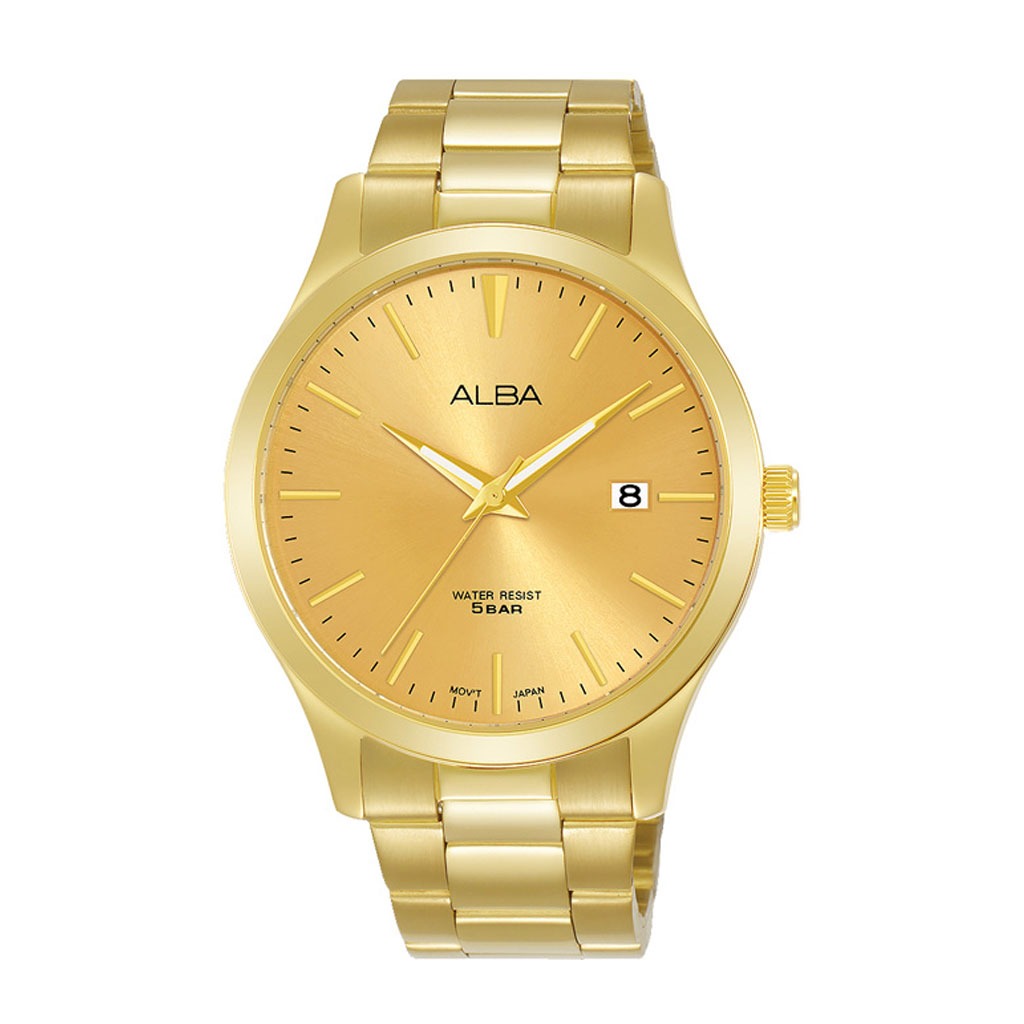
Every watch in this boutique is listed with its calibre — the reference of the movement inside it. It is the one specification that does not change with the case, the dial or the strap, and the one that decides how the watch behaves on your wrist for the next twenty years.
This is what our shelves currently run on.
| Calibre | In stock |
|---|---|
| VJ22 | 78 watches |
| VJ42 | 64 watches |
| VJ32 | 50 watches |
| VD57 | 44 watches |
| VD53 | 42 watches |
| Y676 | 26 watches |
| Y121 | 7 watches |
| VJ43 | 5 watches |
| VD75 | 4 watches |
| Y675 | 4 watches |
| VH65 | 3 watches |
| NH36 | 1 watch |
| VC11 | 1 watch |
| VJ23 | 1 watch |
Reading a calibre reference
A Seiko or Alba reference is not arbitrary. The first two characters give the family; the digits that follow give the variant within it. A VD53 and a VD57 share an architecture and differ in their counters. Knowing the family tells you more about a watch than the case diameter does.
Quartz and mechanical
Most of what is here is quartz, and that is a choice rather than a compromise. A quartz movement keeps time to within a few seconds a month where a mechanical one is measured in seconds a day. It needs a battery every two or three years and almost nothing else.
A mechanical movement asks more of you and gives something back: it runs on a spring you wound, or on the motion of your own arm, and it will still run in fifty years if it is looked after. The NH36 in our automatic pieces is exactly that — 24 jewels, a 41-hour reserve, and a movement that has been refined for long enough to be genuinely dependable.
Where to find it
Open any watch in the collection and look under Watch Specifications. The calibre is listed with the rest of the specification, and where the maker publishes one, the manufacturer's own user guide is linked underneath it — the real document, not a summary of it.
If you are choosing between two pieces and want to talk it through, book an appointment. One hour, one watchmaker, and no obligation to buy anything.
Recent Posts